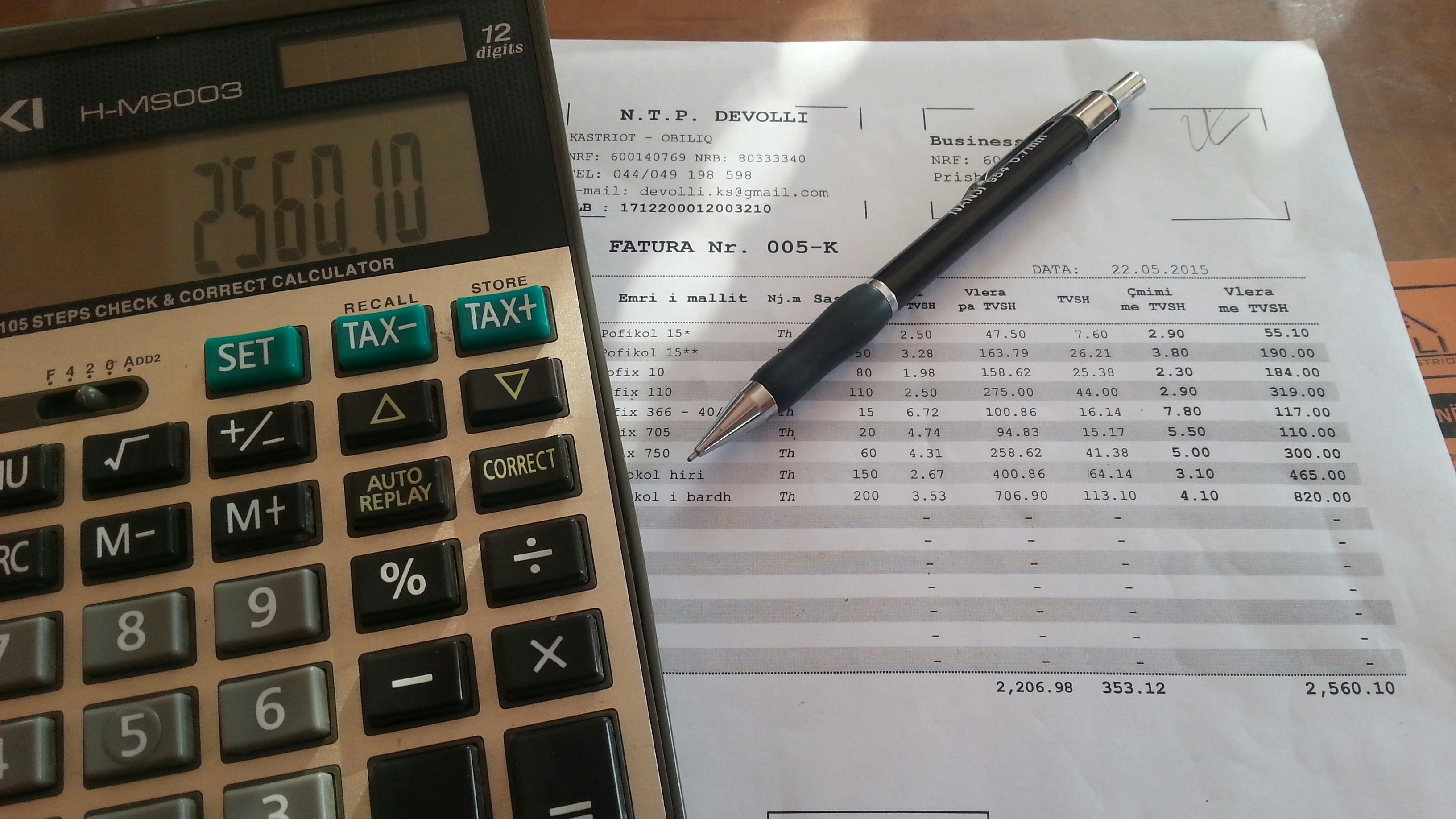
Introduction to Current Assets
Current assets are defined as those resources that a company expects to convert into cash or use within a year or within its operating cycle, whichever is longer. This category is crucial for businesses as it encompasses various financial resources that provide liquidity to support operations and meet short-term obligations. Common examples of current assets include cash, accounts receivable, inventory, and short-term investments. Understanding current assets is vital for analyzing a company’s financial health and operational efficiency.
The significance of current assets in financial statements cannot be overstated. They are prominently featured in the balance sheet, where they are listed alongside liabilities and equity. A robust presence of current assets indicates a company’s ability to cover its short-term debts, which is often assessed through liquidity ratios such as the current ratio and quick ratio. These metrics provide stakeholders with insights into the firm’s operational capabilities and overall financial stability.
In contrast to current assets, non-current assets are those that a business intends to hold for more than one year. Non-current assets include property, plant and equipment, intangible assets, and long-term investments. The distinction between current and non-current assets is critical for understanding the liquidity position of a company. A high proportion of current assets relative to non-current assets suggests better liquidity, which enhances a company’s ability to respond to unexpected financial challenges or capitalize on immediate opportunities.
Ultimately, current assets play a fundamental role in the daily operations of a business, facilitating smooth transactions, maintaining operational flow, and ensuring that a company meets its financial commitments. A thorough comprehension of current assets will aid investors, managers, and other stakeholders in making informed decisions and understanding the dynamics of a company’s financial landscape.
Types of Current Assets
Current assets are essential components of a company’s balance sheet, representing assets that are expected to be converted into cash or utilized within one fiscal year. They are vital for covering short-term obligations and funding daily operations. There are several key categories of current assets, including cash, accounts receivable, inventory, and short-term investments.
Cash is the most liquid current asset and serves as the primary medium for transactions. It encompasses physical notes and coins, as well as demand deposits in banks. Having an adequate cash balance is crucial for businesses to meet ongoing expenses, such as payroll and utility bills.
Accounts receivable refers to the money owed to a company by its customers for goods or services that have been delivered but not yet paid for. This category represents a significant asset for many businesses. For instance, a retail company may have an accounts receivable balance due to customers using credit one month via a buy-now-pay-later service. Effectively managing accounts receivable is essential to ensure that cash flow remains healthy.
Inventory includes the raw materials, work-in-progress products, and finished goods that a company holds for sale. Inventory management is crucial for businesses, particularly those in manufacturing and retail, as it directly impacts production levels and sales capacity. For example, a clothing retailer must maintain sufficient inventory to meet customer demand without overstocking, which could lead to increased holding costs.
Finally, short-term investments involve investments in stocks, bonds, or other securities that can be liquidated within a year. These financial instruments can provide additional cash flow while serving as a buffer against fluctuating market conditions. By diversifying current assets through these investments, businesses can enhance their financial leveraging capabilities and mitigate risk.
The Role of Cash as a Current Asset
Cash stands as the most liquid form of current asset, serving as a vital financial resource for businesses. Its liquidity means that it can easily be utilized to settle short-term obligations, making cash management an essential function for any organization. Organizations rely on cash to fulfill daily operational expenses, such as payroll, utilities, and inventory purchases, highlighting its critical role in maintaining smooth business operations.
Effectively managing cash flow is imperative for sustaining business health. A company must strike a balance between maintaining enough cash on hand to meet immediate needs and investing surplus cash to foster growth. Failure to properly manage cash can lead to liquidity issues, which may prevent a business from seizing opportunities or meeting liabilities. Consequently, companies may face financial distress if sufficient cash reserves are not available during downturns or unexpected expenses.
To maintain healthy cash flow, businesses can adopt several strategies. Firstly, forecasting cash flow enables organizations to predict inflows and outflows, paving the way for informed decision-making. By analyzing historical data, businesses can anticipate cash needs and adjust their financial strategies proactively. Secondly, managing receivables efficiently is crucial; this involves establishing clear credit policies, ensuring timely invoicing, and following up promptly on overdue payments.
Furthermore, monitoring payables strategically can also optimize cash flow. By negotiating favorable payment terms with suppliers, businesses can better align their cash outflows with their incoming cash inflows. Maintaining an appropriate cash reserve ensures that an organization can navigate unforeseen challenges while continuing to fund its growth initiatives.
In essence, cash’s role as a current asset cannot be overstated, as effective cash management directly influences a company’s operational efficacy and financial stability.
Accounts Receivable: Managing Customer Credit
Accounts receivable represents money owed to a business by its customers for goods or services delivered on credit. This form of credit allows companies to enhance their sales volume and foster customer relationships but can also present challenges related to cash flow management. Effectively managing accounts receivable is crucial for maintaining liquidity, as delayed payments can hinder a company’s ability to meet its financial obligations.
When businesses extend credit, they often do so with the goal of attracting and retaining customers by offering more flexibility in payment. However, it is essential to establish clear credit policies, including credit limits, terms, and a thorough review of customer creditworthiness. This preliminary assessment can help mitigate the risk of bad debts, which can arise when customers fail to pay their invoices on time or at all. Regular credit evaluations ensure that the business remains informed about the risk levels associated with its customers.
To optimize cash flow, organizations should implement robust accounts receivable strategies. Consistent invoicing practices, defined payment terms, and effective follow-up procedures play vital roles in ensuring timely collections. Businesses can benefit from employing automation tools that send reminders as due dates approach, thus enhancing the likelihood of receiving payments promptly. Additionally, offering incentives for early payments or implementing discounts can motivate customers to settle their accounts sooner.
Another best practice for managing accounts receivable is to maintain accurate records of customer transactions. This keeps track of outstanding invoices and allows for effective monitoring of aging receivables. Periodic analysis of accounts receivable data can help identify patterns that enable a business to adjust its credit policies and collections processes as needed. By prioritizing the management of accounts receivable, businesses can enhance their cash flow, ultimately contributing to their financial health and stability.
Inventory Management and Valuation
Inventory is a vital component of current assets, representing the goods and materials a business holds for sale in the ordinary course of operations. Proper management and valuation of inventory directly impact the liquidity and financial health of an organization. Inventory can be classified into three main categories: raw materials, work-in-progress (WIP), and finished goods. Raw materials refer to the basic inputs used in the production process, WIP includes those items that are partially completed, and finished goods are the final products ready for sale.
The valuation of inventory can be executed using several methods, each having implications for a company’s financial reporting and tax obligations. The First In, First Out (FIFO) method assumes that the oldest inventory items are sold first. This approach can lead to higher reported profits in times of rising prices, as it results in lower cost of goods sold (COGS). Conversely, the Last In, First Out (LIFO) method takes the newest inventory as sold first, often resulting in lower profits and reduced tax liabilities during inflationary periods. Finally, the weighted average cost method averages out all inventory costs, reflecting a more stable approach amidst fluctuating prices.
Inventory turnover is another important factor that affects liquidity and overall financial health. A higher inventory turnover ratio indicates efficient management, as it suggests that stock is being sold and replaced promptly. Conversely, a low turnover rate may signify overstocking or under-demand, tying up capital and potentially decreasing liquidity. Effective inventory management, therefore, is essential for businesses to maintain financial agility, minimize holding costs, and ensure that current assets are appropriately allocated. Understanding these dynamics can lead to improved operational efficiencies and financial performance.
Short-term Investments: Balancing Risk and Liquidity
Short-term investments play a crucial role in enhancing a company’s current assets, particularly by providing both liquidity and potential returns. These investments typically have a maturity period of one year or less, making them an essential element for businesses seeking to maintain a flexible cash flow while managing operational needs. Common types of short-term investments include certificates of deposit (CDs), treasury bills, money market funds, and commercial paper.
Each of these investment options possesses varying risk profiles, which are vital for businesses to consider when allocating resources. For instance, treasury bills, backed by the government, are generally regarded as low-risk, providing a stable return. In contrast, commercial paper, though offering higher yields, carries increased credit risk since it is issued by corporations. Therefore, understanding these differences is important when selecting appropriate short-term investments that align with the organization’s risk tolerance and financial goals.
In addition to their potential for yielding returns, short-term investments can significantly bolster a company’s liquidity position. Liquidity refers to the ease with which an asset can be converted into cash without incurring substantial losses. By strategically utilizing short-term investments, businesses can ensure they possess sufficient liquid resources to cover unexpected expenses or seize immediate opportunities. For example, holding a portion of current assets in money market funds allows firms to earn interest while still maintaining the ability to quickly access funds if necessary.
Ultimately, the judicious management of short-term investments facilitates a balanced approach to risk and liquidity. Companies must constantly evaluate their investment strategies to optimize returns while safeguarding their immediate financial health. These investments not only contribute to the overall current assets but also support broader strategic objectives, ensuring financial stability in a dynamic market environment.
Current Assets and Financial Ratios
Current assets play a vital role in assessing a company’s short-term financial health. These assets, which include cash, accounts receivable, inventory, and other liquid resources, are used in various key financial ratios that provide insights into a company’s liquidity. Among the most significant ratios are the current ratio and the quick ratio, both of which are crucial for investors and creditors looking to gauge an organization’s ability to meet its short-term obligations.
The current ratio is calculated by dividing total current assets by total current liabilities. This ratio indicates how well a company can cover its short-term liabilities with its short-term assets. A current ratio greater than one suggests that the company has more current assets than current liabilities, implying a stronger liquidity position. Conversely, a ratio of less than one could signal potential liquidity issues, as the company may struggle to meet its obligations as they come due. Monitoring the current ratio allows stakeholders to assess the firm’s operational efficiency and financial stability.
The quick ratio, also known as the acid-test ratio, is a more stringent measure of liquidity because it excludes inventory from current assets. It is calculated by subtracting inventory from current assets and then dividing the result by current liabilities. This ratio provides a clearer picture of a company’s ability to meet short-term obligations using its most liquid assets. A quick ratio of greater than one generally indicates that a company is in a good position to fulfill its immediate liabilities without having to rely on the sale of inventory, which may not always be readily convertible into cash.
In summary, financial ratios such as the current ratio and quick ratio utilize current assets to offer crucial insights into a company’s liquidity. Analyzing these ratios is essential for investors and creditors to make informed decisions regarding the company’s financial health and stability.
Impacts of Current Assets on Business Operations
Current assets play a crucial role in the daily operations and overall financial health of a business. These assets, which include cash, accounts receivable, inventory, and short-term investments, are vital for sustaining operational processes and facilitating short-term decision-making. Maintaining an appropriate level of current assets ensures that a company can meet its immediate obligations and capitalize on potential opportunities as they arise.
One of the primary impacts of current assets on business operations is liquidity. Liquidity refers to the ease with which assets can be converted into cash without significant loss of value. Businesses with a robust current asset base can better address operational expenses, pay suppliers, and manage payroll, which is essential for smooth operations. When liquidity is high, companies can respond swiftly to market trends, invest in unexpected opportunities, and mitigate risks associated with unforeseen expenses.
However, there are potential pitfalls associated with overextending current assets. An excess of current assets, particularly inventory or accounts receivable, can strain financial resources. It may lead to inefficiencies, as too much capital is tied up in non-liquid forms. This situation can affect a company’s ability to invest in growth opportunities or manage debt effectively. Moreover, businesses that fail to optimize their inventory levels may face increased storage costs or obsolescence issues, impacting profitability.
The balance of current assets is intricately tied to effective decision-making. Businesses must have strategic approaches in determining the optimal level of current assets to support their operations while ensuring financial stability. Implementing robust cash flow management techniques, such as accurately forecasting cash needs and regularly monitoring asset performance, can foster an environment where operational efficiency and financial health coexist harmoniously.
Conclusion: The Importance of Current Assets in Financial Health
In summary, current assets play a crucial role in determining a company’s liquidity and overall financial health. These liquid financial resources directly affect a business’s ability to meet short-term obligations and support ongoing operations. Identifying and analyzing current assets such as cash, accounts receivable, and inventory allows stakeholders to evaluate the efficiency with which a company manages its resources. By maintaining a healthy level of current assets, businesses can ensure operational continuity and resilience against unforeseen financial challenges.
Furthermore, the management of current assets is integral to effective cash flow management. Cash flow is essential for daily operations, and having sufficient current assets allows a company to invest in growth opportunities, settle liabilities promptly, and respond strategically to market fluctuations. Companies must regularly review their current assets to determine if they are optimizing their investment in these resources. Strategies such as improving collections on accounts receivable or implementing inventory management techniques can enhance the quality of current assets, ultimately leading to improved liquidity.
It is advisable for business owners and financial managers to routinely assess their companies’ current assets. This evaluation is not only beneficial for immediate operational needs but also essential for long-term strategic planning. By understanding the dynamics of their current assets, stakeholders can make informed financial decisions that accommodate growth while safeguarding against potential financial distress. As the economic landscape continues to evolve, prioritizing the management of current assets remains a fundamental aspect of fostering health and stability within any business.